Start With the Equipment, Not the Gasket
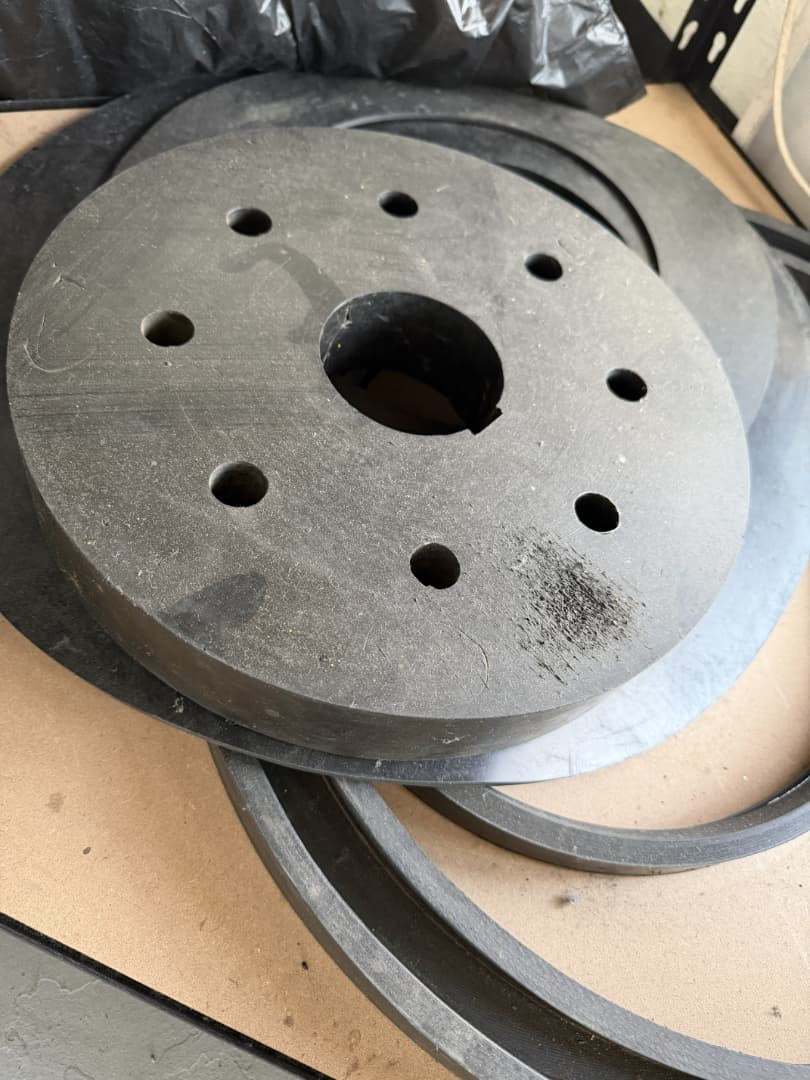
A gasket on a food line has three jobs, and it has to do all of them at once: seal the joint, survive the product it touches, and survive the cleaning routine. Most food-processing gasket failures we see are not material failures at all. They are selection failures: a compound that handled the food fine but broke down in the sanitizer, or a seal that rated well on paper but was never checked against how the machine actually runs.
So start the specification the same way you would for any industrial seal. Write down the operating conditions: what the gasket contacts, how hot and how cold the equipment gets, the pressures involved, and exactly what chemicals the wash-down cycle uses. Then match the silicone grade against that list, not against a catalog description.
What Silicone Handles Well
Food-grade silicone earns its place through a combination of traits: it stays flexible, recovers well after compression, transfers almost no taste or odor to the product, and resists water, ozone, and weathering. Compared with other common sealing elastomers, it also handles an unusually wide temperature span, which matters on equipment that sees both refrigeration and heat in the same shift. The exact limits vary by compound, so always confirm the rating of the specific grade against your equipment.
Treat the table as a starting point, not a green light. Chemical resistance always depends on concentration, temperature, and exposure time, so verify compatibility for the actual media your line runs, and ask the supplier to confirm it in writing.
Compliance Is About the Compound, Not the Color
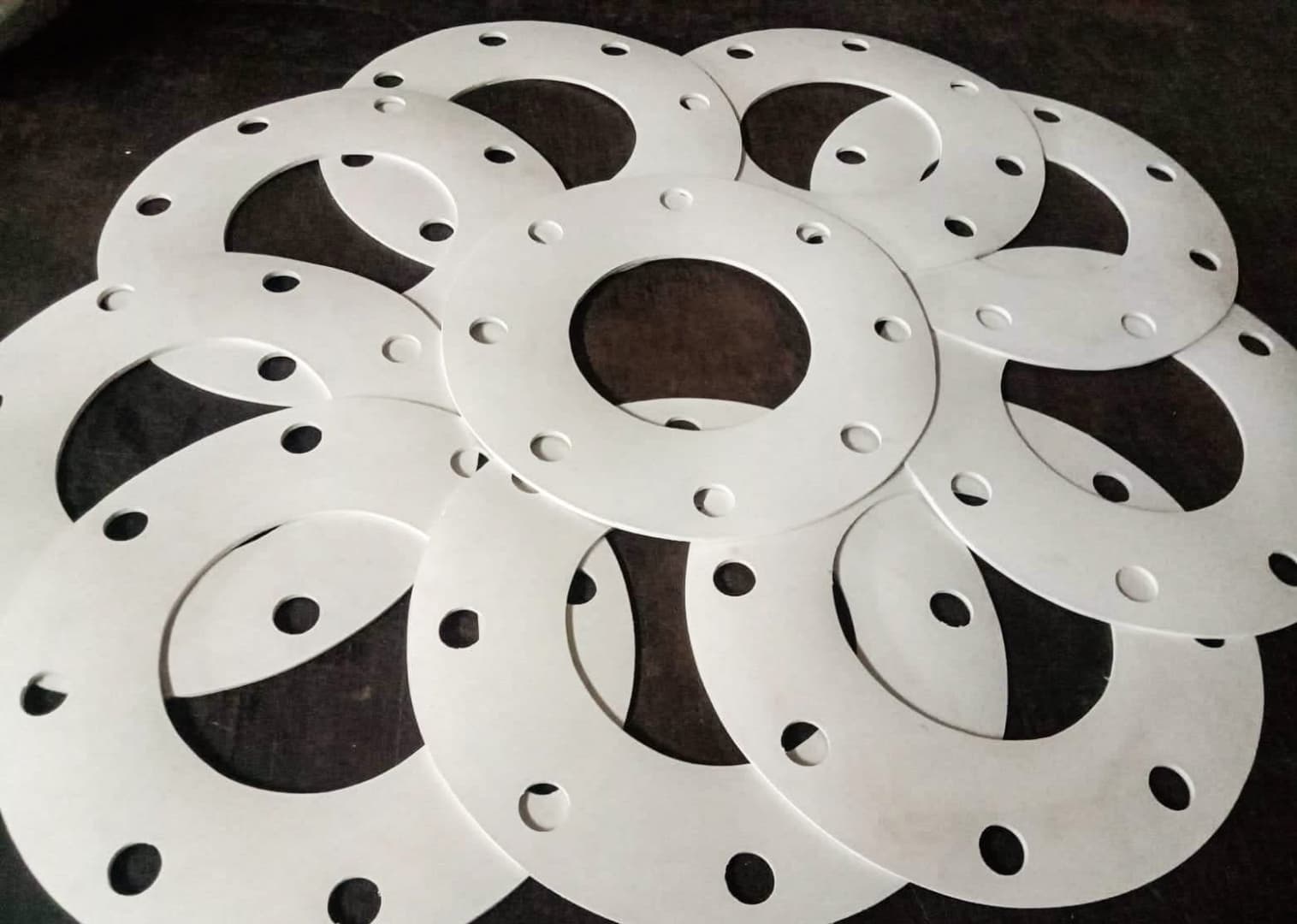
This is the point buyers most often get wrong. A gasket being white, or being made of silicone, does not make it food-contact compliant. In the United States, rubber articles intended for repeated food contact fall under FDA 21 CFR 177.2600, and compliance belongs to the exact formulation, with its extraction limits and intended-use conditions. Two gaskets can look identical and only one may be compliant.
The practical fix is documentation. Before you order, ask the supplier to identify the exact compound and confirm its food-contact compliance for your conditions, including any elevated-temperature exposure. Where fragment detection matters, metal-detectable silicone grades add a further contamination-control layer, but they do not replace compliance verification. And keep food-contact requirements separate from medical or other regulatory standards: they are different approvals with different tests.
Surviving the Cleaning Cycle
On a food line, the cleaning routine is part of the gasket's operating environment. Silicone's smooth, water-repellent surface cleans easily and tends to withstand repeated washing, steam, and sterilization cycles well when the grade is matched to the process. That resistance is what turns into real savings: fewer emergency replacements, less unplanned downtime, and a seal that still looks the part at the next inspection.
- Cleaning tolerance: repeated wash-down and steam cycles, when the compound suits the process
- Environmental resistance: heat, cold, ultraviolet light, ozone, and aging
- Low maintenance: long service intervals with regular inspection and timely replacement
Ordering Practicalities
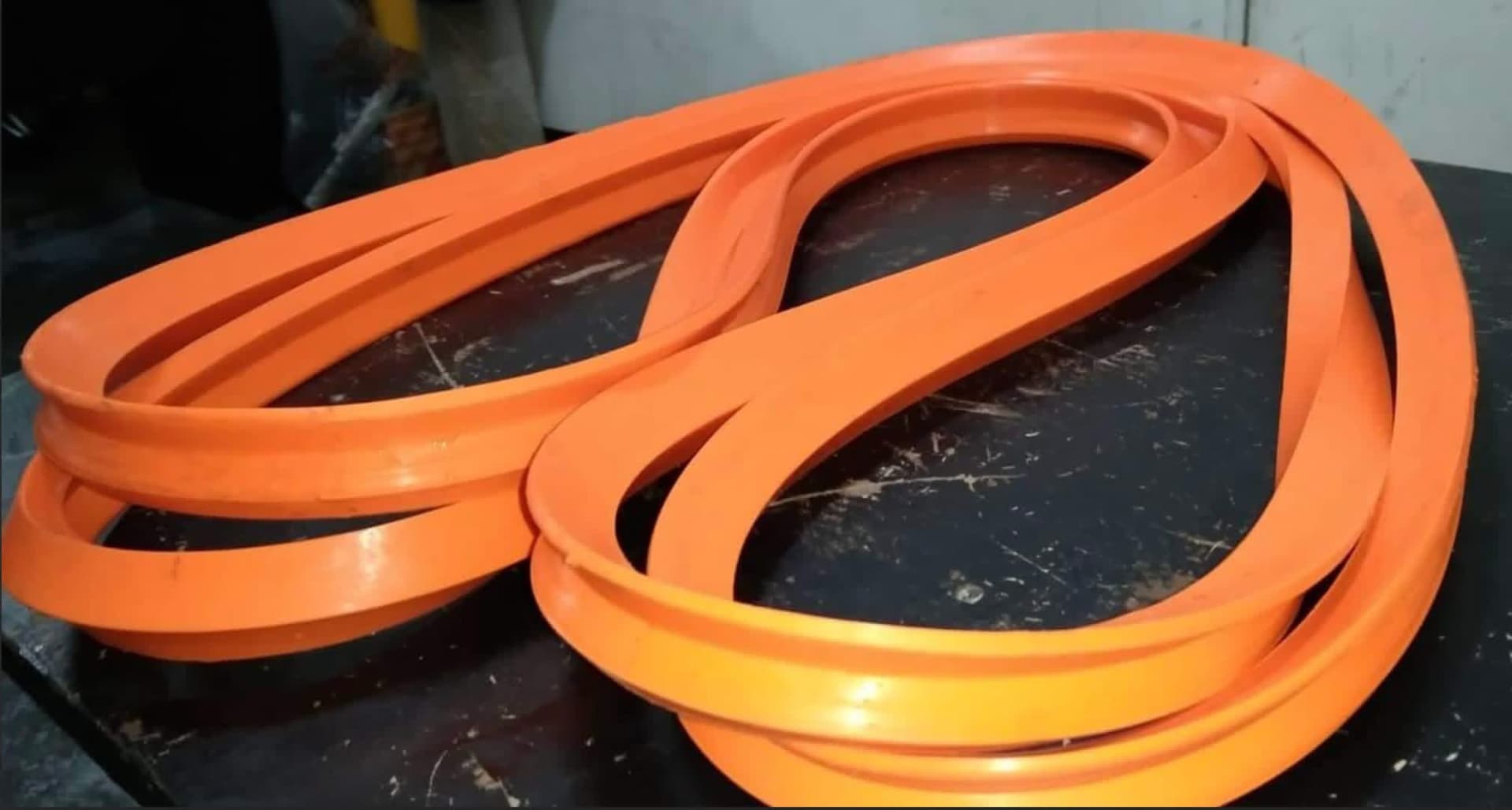
When you specify a silicone gasket, give the supplier the equipment's sealing geometry and dimensions, the operating pressure and temperature, and the full list of product and cleaning media. That is everything needed to check fit, grade, and compliance in one pass, and it keeps the quote accurate.
Before you request a food-grade gasket quote, have these ready:
- Sealing geometry and critical dimensions from the equipment
- Operating temperature range, including cleaning and sterilization cycles
- Full media list: food products, oils, acids, detergents, and sanitizers
- Food-contact compliance requirement (such as FDA 21 CFR 177.2600) stated explicitly
- Whether a metal-detectable grade is required
The Next Step
Silicone is a strong choice for food equipment, but only when the compound is verified for the temperature, the media, and the wash-down routine it will actually face. Get the compliance documentation with the quote, not after the failure.
United RK Rubber manufactures silicone and other elastomer gaskets to your drawing, with low minimum orders and rush production available when a line is down. Send us the equipment details and we will confirm the right grade before anything is cut.