What the Coupling Actually Does
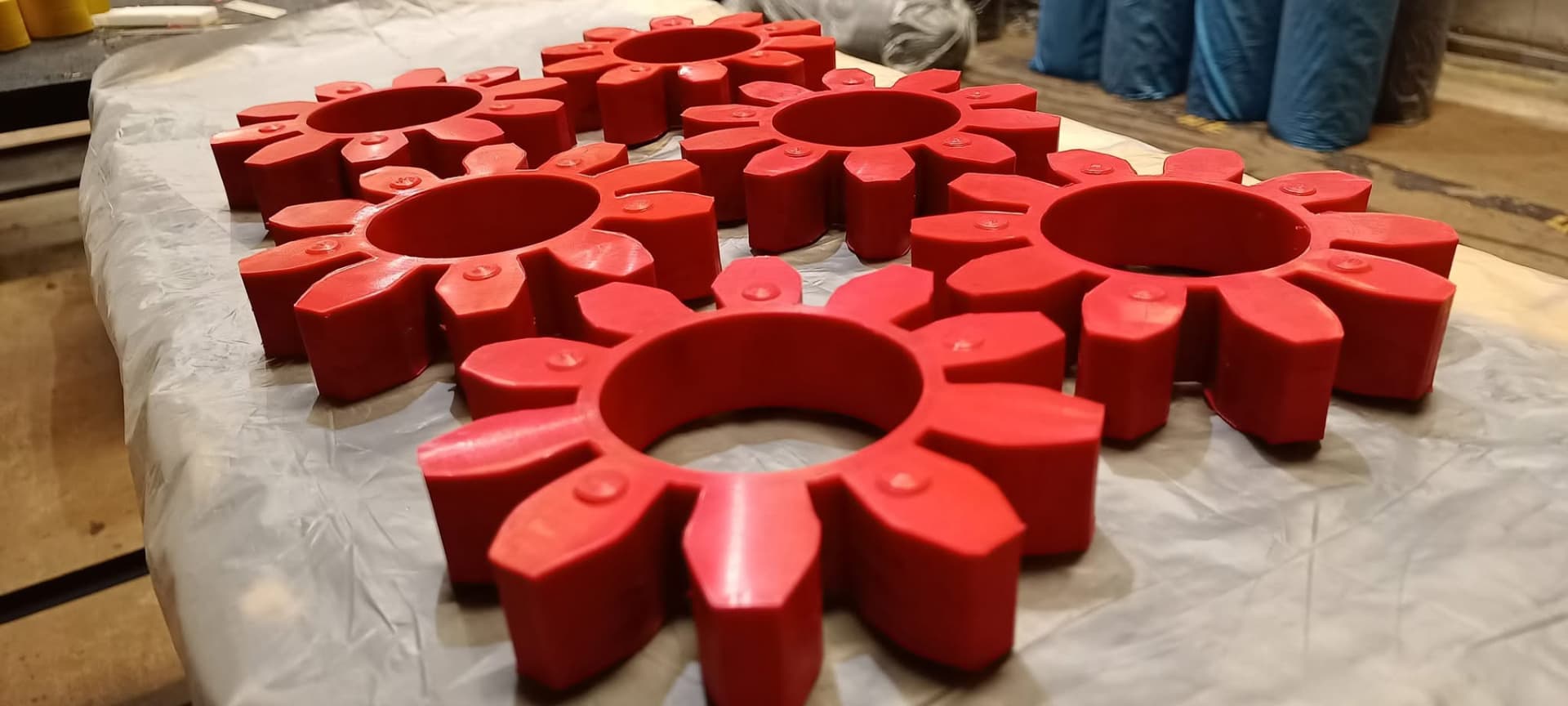
Between a motor and a pump sits one of the most under-appreciated parts on the skid: the elastomeric coupling. Its rubber element transmits the torque, yes, but its real value is what it absorbs. It takes the vibration, the startup shock, and the small misalignments that no foundation ever fully eliminates, and it converts them into heat in a part that is cheap and designed to be replaced. When the insert fails early, it is usually telling you something about the alignment, the duty, or the environment.
That is also why rubber couplings dominate small- to mid-sized pump packages: they need no lubrication, they damp vibration in both directions, and the insert can be swapped without touching the shafts. The trade-off is that the element is a wearing component, so selection and inspection both matter.
Choose the Design for the Pump's Needs
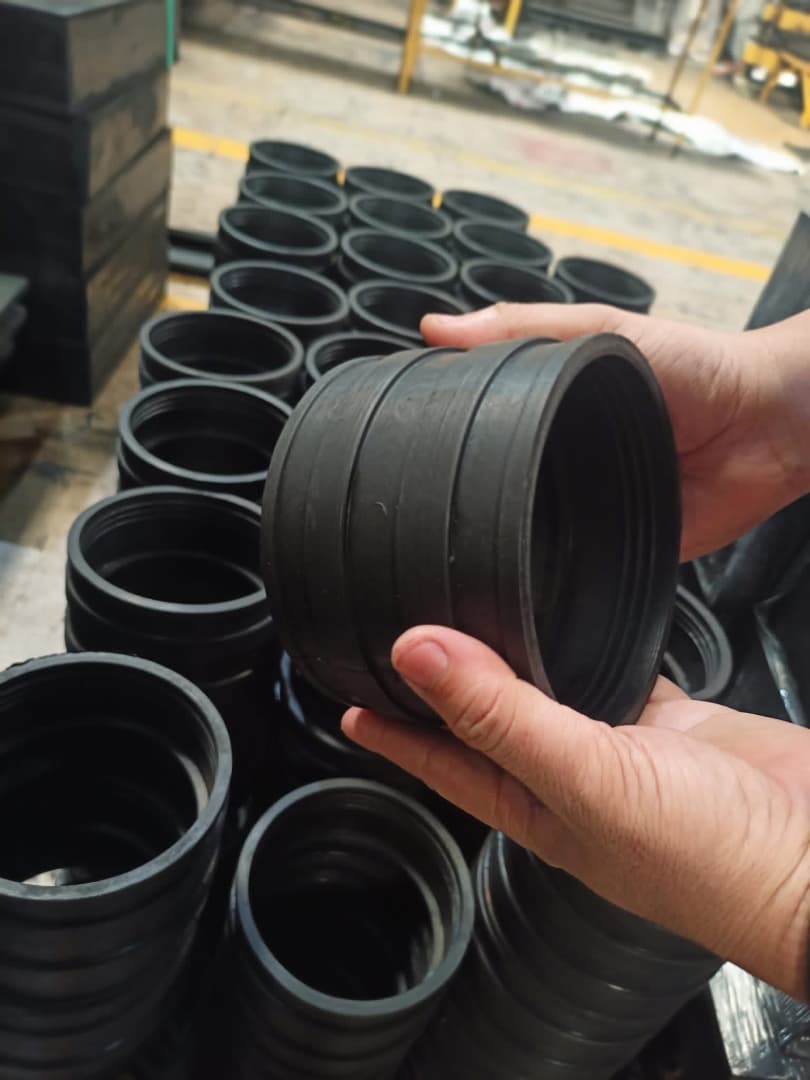
Elastomeric couplings come in a handful of proven designs, and the choice follows from what the installation needs beyond plain torque transmission. Jaw couplings with a spider insert are the general-purpose workhorse. Tire-style couplings add damping for shock-heavy duty. Spacer couplings add shaft separation so seals can be serviced or the pump pulled back without moving the motor.
Pick the Compound for the Environment
The insert material does the absorbing, so it degrades with whatever the environment throws at it. Heat softens and weakens the rubber: continuous flexing generates its own heat, and a coupling guard that blocks airflow turns a small problem into a melted insert. Chemicals, oils, and even sunlight attack compounds that were not selected for them. NBR-based elements handle oil and fuel exposure, EPDM handles water, steam, and weather, and specialty compounds cover the corners.
Match the compound to the fluid list and the ambient conditions the same way you would for a seal or a hose, and confirm hardness and damping behavior with the manufacturer. A coupling insert specified for its environment quietly runs for years; one specified on price alone becomes a recurring line on the maintenance budget.
Size It on the Pump's Power, Not the Motor's
The most common sizing mistake is using the motor's nameplate rating. The coupling transmits what the pump actually consumes, at the operating speed, and that is what the torque calculation should be based on: torque rises as speed falls for the same power. From there, apply the coupling manufacturer's service factor, which accounts for torque fluctuation and startup loads; a reciprocating pump, for instance, demands a far more conservative factor than a smooth centrifugal duty.
- Base torque on absorbed power: what the pump consumes, not the motor nameplate
- Apply the service factor: the manufacturer's factor for your duty class, not a guess
- Check ratings at your speed: torque and speed ratings must hold at the actual operating rpm
- Verify shaft bores and misalignment limits: angular, parallel, and axial, per the manufacturer
Keep It Running
Maintenance is where elastomeric couplings pay off. No lubrication is needed, and on replace-in-place designs the element swaps out without moving the hubs, so realignment is usually unnecessary. Inspect the insert on a regular schedule for cracking, chunking, glazing, or heat damage; if it is visible through the guard, a strobe check can be done with the unit running, following site safety procedures.
Before you request a coupling or insert quote, have these ready:
- Pump absorbed power and operating speed
- Duty type: centrifugal, reciprocating, or mixed, plus startup character
- Shaft diameters and any spacer / access requirement
- Environment: temperature, airflow, oils, chemicals, sunlight
- Existing coupling brand and type, or a photo of the failed insert
The Next Step
Choose the design for the installation, the compound for the environment, and the size for the actual duty. Done in that order, a coupling insert becomes a planned spare instead of an emergency.
United RK Rubber molds coupling elements and inserts in elastomer compounds matched to your service, with low minimum orders and rush production available when a pump is down. Send the duty details or the old part, and we will confirm the specification.